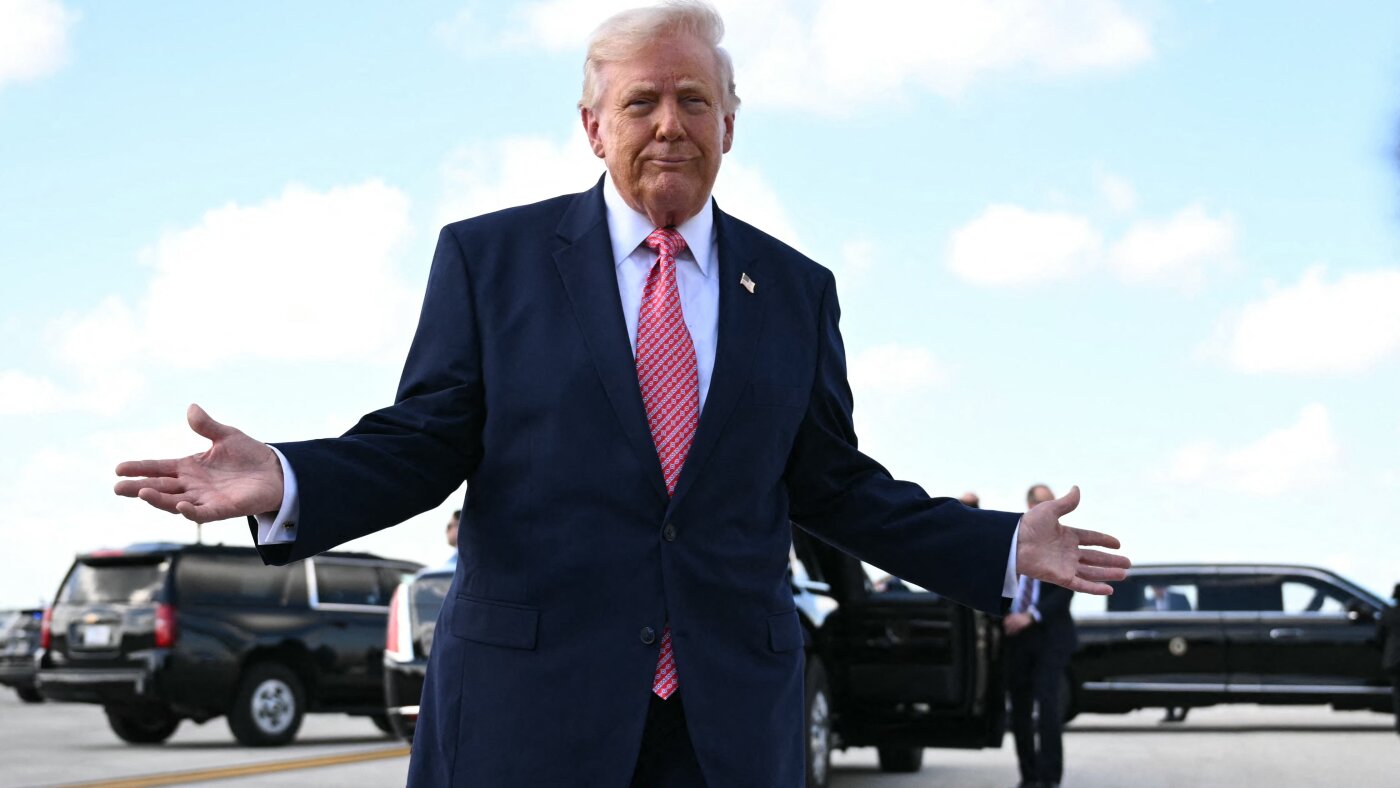
Trump wants a deadlocked Congress to move on AI. Frustrated states say they already have
npr.org • • business
Key Points:
- In the absence of federal action, many states have passed their own AI regulations focusing on child safety, transparency, and whistleblower protections, but the Trump administration opposes these state laws, viewing them as burdens on innovation.
- The White House, led by Michael Kratsios, advocates for a single national AI regulatory framework that Congress should enact to avoid a "patchwork" of state laws, and has intervened to block some state legislation, including a transparency bill in Utah.
- Republican state lawmakers like Doug Fiefia (Utah), Tracy Pennycuick (Pennsylvania), and Angela Paxton (Texas) support state-level AI regulations due to congressional gridlock, emphasizing the need to protect citizens and fill regulatory gaps until federal laws are established.
- The White House framework outlines principles such as child protection and consumer cost concerns but has faced criticism for lacking detail and accountability measures, with experts and some lawmakers calling it insufficient compared to states' efforts.
- While some Republicans in Congress support the administration's framework and related bills, actual federal AI legislation has yet to advance, amid public skepticism about the administration's closeness to Big Tech and widespread bipartisan support for AI regulation.


